
Exporting Massage and Personal-Care Electronics: Certifications, Batteries, and the Order to Do Them In
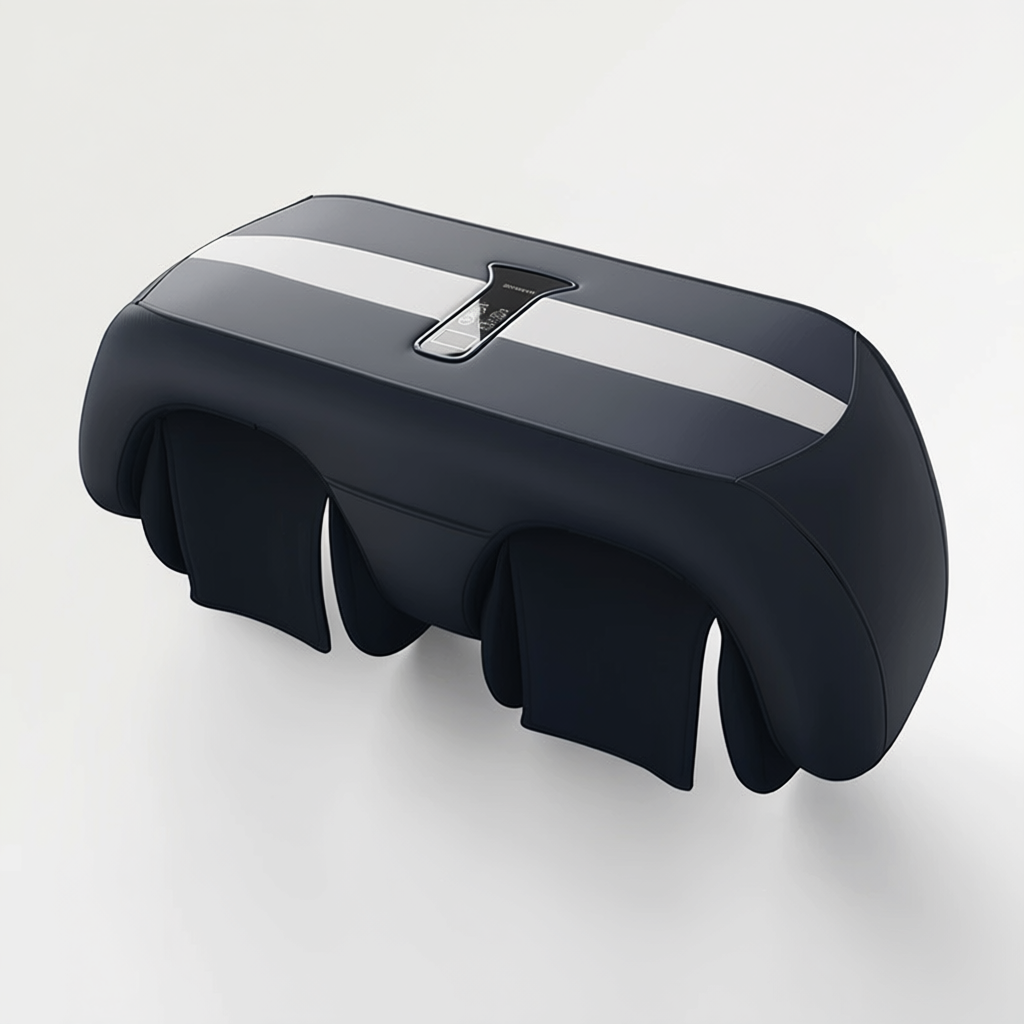
Most certification problems in personal-care electronics are timing problems. The tests are not exotic and the factories know them. What kills launches is discovering after mass production that the radio module inside the device was never certified, or that the lithium pack has no transport documentation.
What the product actually is, in regulatory terms
Start here, because the category decides the file. A vibration massager, an EMS belt, a heat pad and a device with Bluetooth control are four different regulatory profiles. EMS (electrical muscle stimulation) in particular can be treated as a medical device in some markets, which changes everything about how you may sell and claim it.
The usual requirements by market
European Union. Electrical safety (LVD), electromagnetic compatibility (EMC), and RoHS for restricted substances. Add RED if the device contains radio. CE marking is the manufacturer's declaration — which means the manufacturer named on the marking carries the obligation. If you private-label it, that may be you.
United Kingdom. UKCA marking, structurally the same tests, separate declaration, and a UK-based responsible person for some product categories.
United States. FCC for the electronics. FDA registration is a separate question that depends on your claims: a device marketed for pain relief sits differently from one marketed for relaxation. Read your own packaging copy before you answer.
Everything, everywhere. If it contains a lithium cell: UN 38.3 transport testing, a battery test summary, and a proper MSDS/SDS. Air freight will ask for these before it asks your name.
Order of operations
- Fix the specification, including the exact cell, motor and control board.
- Confirm which standards apply for each destination market.
- Test on a production-representative sample, not a hand-picked prototype.
- Only then approve tooling and mass production.
Reversing steps 3 and 4 is the expensive mistake: a retest after a board change costs the same as before, plus the production delay, plus the containers sitting in the port.
What to ask the factory for, in writing
- Copy of the certificate, with the certificate holder's exact company name.
- The model number on the certificate matched against the model number you are buying. A different suffix can invalidate the reference.
- The test report, not just the certificate — the report shows what was actually tested.
- Validity dates and the testing body's identity.
- Confirmation of what happens to the certificate if the internal board or cell changes.
A certificate held by a different company is the most common finding in this category. It is not automatically a problem — it is normal when you buy an OEM design — but if you are putting your own brand on the box, you need to know whose declaration of conformity the customer is reading.
Batteries change the shipping plan, not just the paperwork
Devices shipped with cells installed, cells packed separately, and pure battery shipments fall under different transport rules, and the difference can be the whole freight cost. A product that must ship as "packed with equipment" (UN3481) may be priced and routed differently from one that ships cells separately. Decide the configuration before you ask for a freight quote, not after.
Where a buying office earns its fee here
We ask for the certificate file before the sample is approved, match the model numbers, and put the destination market in front of the factory in writing so the correct version is produced. It is a small amount of paperwork, and it is the difference between a product that clears customs and a product that becomes a storage problem.
Health & personal care sourcing · Ask about a specific product and market.